
Food Truck Insurance Cost in Ohio
Kenneth Schaub, Owner & Licensed Insurance Advisor
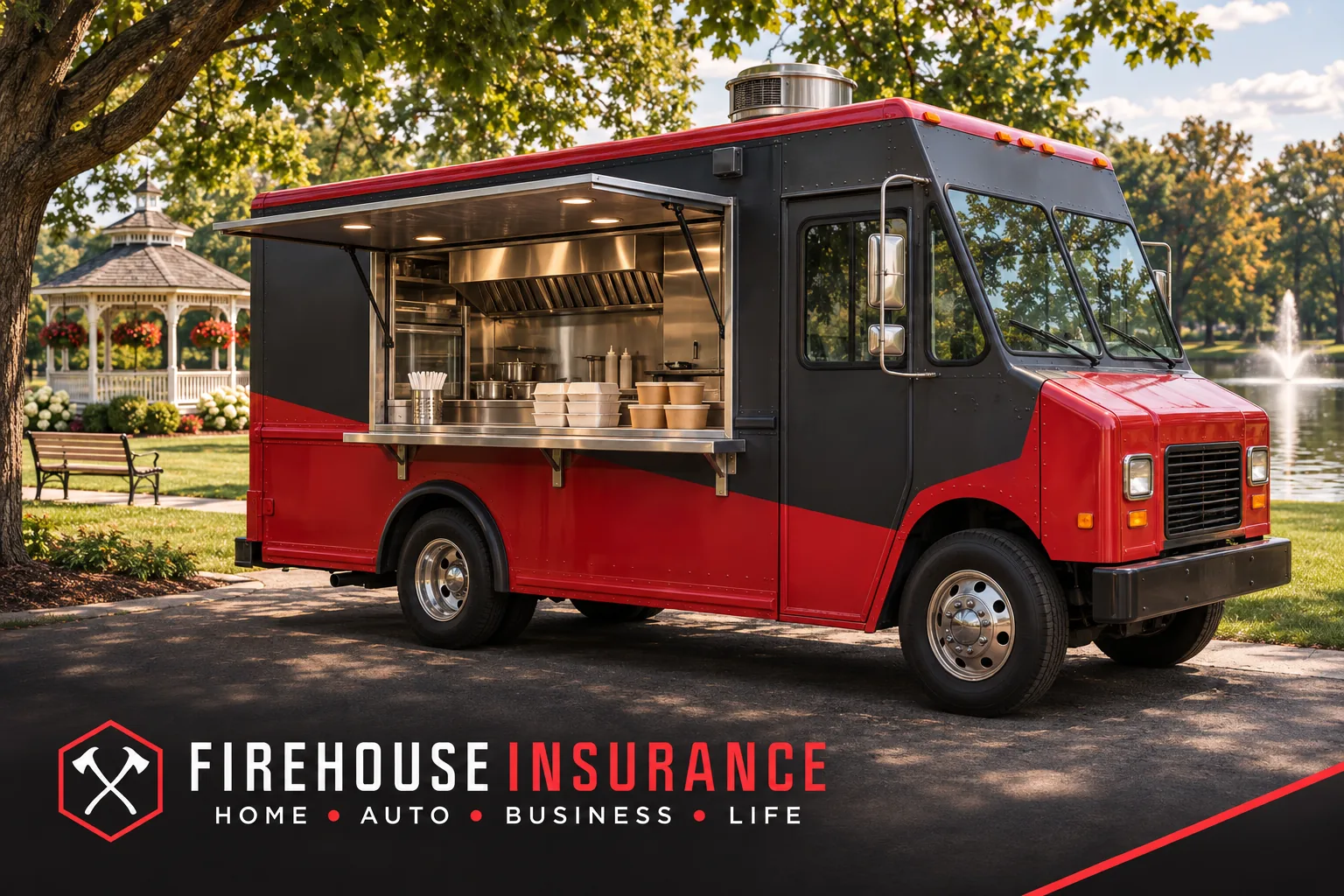
Food trucks in Ohio typically pay $2,000 to $5,000 a year combining general liability, commercial auto, and coverage for the cooking equipment itself. The insurance side is only half the picture, though, a food truck can't legally sell a single meal without the right license first, and Ohio's licensing structure has a few real wrinkles worth knowing before you're asked for proof mid-setup at an event.
The License Comes Before Everything Else
Ohio law requires anyone preparing or selling food from a mobile unit that moves between locations to hold a Mobile Food Operation License, issued by the health district where the business is based. Here's the useful part: once issued, every other Ohio health district has to accept it, so a truck licensed in one county can legally operate statewide without re-licensing county by county. Many cities layer their own vending permit on top of that health license, Columbus, Cleveland, Cincinnati, and Toledo each run separate municipal requirements.
A Lower-Cost Option for Smaller Operations
A Low Risk MRFE (Mobile Retail Food Establishment) license is available at roughly half the standard fee. It comes with a real operational tradeoff: vendors at this tier can use non-mechanical cooling instead of a full refrigeration system, but have to refresh ice or cooling packs every 4 hours to stay compliant.
Three Distinct Pieces of Coverage
| Coverage | What it protects |
|---|---|
| General liability | Customer injury, foodborne illness claims |
| Commercial auto | The truck itself as a vehicle |
| Inland marine / mobile equipment | Cooking equipment, generators, mounted gear |
A personal auto policy won't cover a vehicle that's been modified into a commercial kitchen, this needs real commercial auto coverage, and the cooking equipment itself needs its own mobile equipment or inland marine coverage, since it isn't sitting in a fixed building the way a restaurant's kitchen does.
The Commissary Question
Several Ohio health districts, Columbus, Belmont, and Wood counties among them, specifically require a food truck to operate out of a licensed commissary kitchen as a condition of licensing. This varies district by district, confirming it directly with wherever your truck is based, rather than assuming either way, avoids a real licensing surprise.
If you're running or launching a food truck in Ohio, get a quote built around the mobile-specific pieces, auto, equipment, and liability, that a standard restaurant policy doesn't anticipate. If you're expanding into a brick-and-mortar location too, restaurant insurance covers that side of the business.
Frequently asked questions
What license does a food truck need in Ohio before it can legally operate?
A Mobile Food Operation License from the health district where the business is based. Once issued, every other health district in Ohio must accept that license, you don't need a separate one for each county you operate in, though many cities add their own separate vending permit on top (Columbus, Cleveland, Cincinnati, and Toledo all do).
Is there a cheaper licensing option for smaller or lower-risk food trucks?
Yes, a Low Risk Mobile Retail Food Establishment (MRFE) license is available at roughly 50% of the standard fee. It comes with real operational conditions, like refreshing ice or cooling packs every 4 hours since mechanical refrigeration isn't required at that tier.
Does a food truck need its own commercial auto policy?
Yes. The truck itself needs commercial auto coverage, not a personal auto policy, since it's a vehicle used for business and typically modified with cooking equipment, which most personal auto insurers won't cover at all.
Is a food truck's cooking equipment covered the same way a restaurant's kitchen equipment is?
It needs to be covered, but through different mechanisms since it's mounted in a vehicle rather than a building. Inland marine or specialized mobile equipment coverage typically applies to the cooking equipment, generators, and related gear, distinct from a restaurant's building-based property policy.
Does a food truck need to work out of a licensed commissary?
Many Ohio health districts require it, Columbus, Belmont, and Wood counties are specifically cited as requiring commissary use for licensing. Confirm this requirement directly with the health district where your truck will be based before assuming otherwise.
Ready to see your real rate?
Get My Quote