
Insurance guidance, plainly explained.
Real coverage advice from Firehouse's own advisors, not generic filler.
Hired and Non-Owned Auto (HNOA) Insurance: Do You Need It?
Kenneth Schaub
If employees ever drive their own cars for work, even just running errands, a personal auto policy usually won't fully cover the business, and a commercial auto policy only covers vehicles the business actually owns. HNOA fills that gap.

Professional Liability (E&O) Insurance: What It Covers and What It Costs
Kenneth Schaub
General liability covers physical injury and property damage. Professional liability (E&O) covers claims that your work itself was wrong, a mistake, missed deadline, or bad advice. Most professional-services businesses need both.

Surety Bonds vs. Insurance for Contractors: What's the Real Difference?
Kenneth Schaub
A surety bond protects the project owner, not you, and if a claim gets paid, you're contractually required to pay the surety back. Insurance works the opposite way. Most contractors end up needing both.
Builder's Risk Insurance: Who Buys It and What It Actually Covers
Kenneth Schaub
Builder's risk covers a building under construction and materials on site, but not a contractor's own tools, and whether the owner or the GC buys it depends entirely on the contract.

Commercial Umbrella vs. Excess Liability Insurance: What's the Difference?
Kenneth Schaub
Both only kick in after an underlying policy's limit is used up, but umbrella coverage can sit on top of multiple policies while excess liability typically layers on just one. The real difference depends on the actual policy wording.

Business Interruption Insurance: What It Covers (and What It Doesn't)
Kenneth Schaub
Business interruption insurance only pays out after direct physical damage to covered property from a covered peril, it's not standalone income protection. Most policies today explicitly exclude pandemic-driven shutdowns.

Cyber Liability Insurance for Small Business: Cost and Coverage
Kenneth Schaub
Most small businesses pay $1,000-$2,000 a year for $1 million in cyber coverage, and general liability doesn't cover a data breach at all. Ohio also has a real legal incentive tied to this.

Experience Modification Rate (EMR) for Ohio Contractors: What It Is and Why It Matters
Kenneth Schaub
Your EMR directly affects your Ohio BWC workers' comp premium, and a high one can keep you off a bid list entirely. Ohio's own Group Experience Rating program can cut premiums up to 53% for qualifying contractors.

Employment Practices Liability Insurance (EPLI): Do Small Businesses Need It?
Kenneth Schaub
Retaliation claims alone made up nearly half of all EEOC charges in 2024. EPLI covers wrongful termination, discrimination, harassment, and retaliation claims, exposure that doesn't require a large company to trigger.

Product Liability Insurance: Who Needs It and Is It Already Included?
Kenneth Schaub
Product liability covers claims that something you made, distributed, or sold caused injury or damage. It's often already bundled into a standard general liability policy, but not guaranteed, and it carries its own separate limit.

Certificate of Insurance (COI) Requirements for Ohio Contractors
Kenneth Schaub
Most Ohio cities and general contractors require specific coverage limits before work starts, and the requirements vary by city. Here's what a COI actually proves and what Columbus and Cleveland specifically require.

Ohio Workers' Comp Requirements for Small Businesses
Kenneth Schaub
Ohio is one of 4 states where workers' comp is only sold through the state fund, not private insurers. Here's who's required to carry it, what it actually costs, and how group-rating discounts work.

Business Owner's Policy (BOP) Cost in Ohio: What It Covers and What It Actually Costs
Kenneth Schaub
A BOP bundles general liability and commercial property into one policy, usually cheaper than buying them separately. Published Ohio estimates range from about $500 to $3,500 a year, here's why the range is so wide.

Is General Liability Insurance Legally Required in Ohio?
Kenneth Schaub
No statewide law requires general liability insurance for most Ohio businesses, but several specific trades can't get licensed without it, and almost every landlord or client contract requires proof of it anyway.
Ohio Minimum Car Insurance Requirements (and Why They're Rarely Enough)
Kenneth Schaub
Ohio requires 25/50/25 liability coverage by law, costing roughly $40-$67 a month for a minimum policy. Here's exactly what that covers, and why most advisors recommend carrying more.
How Much Do You Really Save by Bundling Home and Auto Insurance?
Kenneth Schaub
Bundling typically saves around 15%, or roughly $870 a year on average, but the real savings range from 5% to 25% depending on the carrier. Here's when bundling genuinely wins and when it doesn't.
How Much Does Home Insurance Cost in Ohio?
Kenneth Schaub
Ohio homeowners pay anywhere from about $100 to $210 a month depending on home value and coverage, well below the national average. Here's what actually drives that number and how to bring it down.

How Much Does General Liability Insurance Cost for a Small Business in Ohio?
Kenneth Schaub
Ohio small businesses typically pay $30-$110 a month for general liability coverage, with the exact number driven by industry, payroll, and claims history. Here's what actually moves the price.
What Is the 80% Rule in Home Insurance?
Kenneth Schaub
The 80% rule, or coinsurance clause, reduces your claim payout if your dwelling coverage falls below 80% of your home's true rebuild cost, even on small, partial losses. Here's the exact math.

Condo Insurance in Ohio: What an HO-6 Policy Actually Covers, and Why Your HOA's Deductible Matters
Kenneth Schaub
Ohio condo owners pay roughly $375-$575 a year for coverage, but a 2022 state law change shifted more financial exposure onto individual owners than most realize.

Renters Insurance in Ohio: What It Actually Costs, and Why Your Landlord Wants It
Kenneth Schaub
Ohio doesn't legally require renters insurance, but a growing number of landlords in Columbus, Cleveland, and Cincinnati do. Here's what it actually costs and what it covers that your landlord's policy doesn't.
How Much Should Homeowners Insurance Be on a $200,000 Home?
Kenneth Schaub
In Ohio, insuring a $200,000 home typically runs $1,500-$1,800 a year, or roughly $125-$150 a month. Here's how that compares nationally and what moves it in either direction.

Is $200 a Month a Lot for Home Insurance?
Kenneth Schaub
Nationally, $200/month is close to average. In Ohio specifically, it's on the higher end, typical Ohio premiums run closer to $100-$175/month unless you're insuring a larger or higher-value home.
Do You Really Need Homeowners Insurance?
Kenneth Schaub
No state legally requires it, but almost every mortgage lender does, and the math rarely favors going without it. Here's the real risk calculation behind that requirement.

How Much Is Home Insurance on a $400,000 House?
Kenneth Schaub
Nationally, insuring a $400,000 home runs about $2,500 to $3,550 a year. Ohio homeowners typically land at or below the lower end of that range. Here's why, and what moves the number.

What Does Home Insurance Actually Cover?
Kenneth Schaub
A standard homeowners policy covers six distinct things: your house, other structures, your belongings, liability, medical payments, and temporary living costs. Here's what each one actually pays for.
Electrician Insurance: What It Actually Costs and Covers
Kenneth Schaub
General liability for an electrician typically runs $500 to $1,500 a year. Electricians also account for 39% of all occupational electrical shock and arc flash injuries, here's what that means for your coverage.
Lessor's Risk Only (LRO) Insurance: What It Actually Costs and Covers
Kenneth Schaub
LRO insurance runs $750 to $2,500 a year for most owners, but 7 in 10 tenant certificates of insurance are non-compliant on receipt. Here's what a COI actually does and doesn't protect you from.
Motorcycle & Boat Insurance: What It Actually Costs, and Why Motorcycle Risk Is So Different
Kenneth Schaub
Motorcyclists are nearly 27 times more likely to die per mile traveled than car occupants. Here's what that risk actually means for coverage, and what boat insurance costs by comparison.
General Contractor Insurance: What It Actually Costs and Covers
Kenneth Schaub
General liability for a general contractor runs roughly $600 to $5,000 a year, and construction defect litigation alone costs the industry $15 billion a year. Here's what actually matters.
Masonry & Seal Coating Contractor Insurance: What It Actually Costs and Covers
Kenneth Schaub
General liability for masonry contractors runs $732 to $8,000 a year. A retaining wall failure once produced a $101 million jury verdict, here's what process discipline actually protects against.
Auto Insurance: What It Actually Costs and Why 1 in 3 Drivers Can't Pay for a Crash
Kenneth Schaub
Full-coverage auto insurance now averages $2,578 a year nationally. Roughly 1 in 3 drivers on the road is uninsured or underinsured, here's what that actually means for your own coverage.
Apartment Building Insurance: What 5+ Unit Buildings Actually Cost to Insure
Kenneth Schaub
Insuring a 5+ unit apartment building runs $425 to $1,200+ per unit a year, and the market has gotten harder. Here's what's actually driving cost and claims right now.
Excavation Contractor Insurance: What It Actually Costs and Covers
Kenneth Schaub
General liability for excavation contractors runs $1,000 to $6,600+ a year, and standard policies often cap underground damage coverage far below what a single utility strike actually costs.
HVAC Contractor Insurance: What It Actually Costs and Covers
Kenneth Schaub
General liability for HVAC contractors runs $500 to $8,000 a year depending on crew size. Here's what actually drives the cost, and the claims that matter most.
Concrete Contractor Insurance: What It Actually Costs and Covers
Kenneth Schaub
General liability for concrete contractors runs $600 to $1,500+ a year. A foundation defect that doesn't surface for 7 years can still become uninsurable, here's why that matters.
Construction Contractor Insurance: What Builders and Remodelers Actually Need
Kenneth Schaub
General liability for builders and remodelers runs $800 to $8,000 a year, and builder's risk adds 0.5-1% of project value on top. Here's what actually covers a renovation gone wrong.
Landscaping Contractor Insurance: What It Actually Costs and Covers
Kenneth Schaub
General liability for landscaping contractors runs $600 to $3,000 a year. Equipment theft alone costs the industry $400 million annually, here's what actually needs covering.
Strip Center Insurance: What It Actually Costs and Covers
Kenneth Schaub
Strip center insurance runs $15,000 to over $1,000,000 a year depending on size. A single parking lot slip-and-fall has produced an $11.3 million verdict, here's what actually drives the risk.
Does Homeowners Insurance Cover Sewer Backup in Ohio?
Kenneth Schaub
No, standard homeowners policies exclude sewer and drain backup damage by default. Here's why, and how a low-cost endorsement closes the gap.

Life Insurance: Why Nearly 100 Million Americans Are Underinsured
Kenneth Schaub
A healthy 30-year-old can get $500,000 in term life coverage for about $20 a month, yet nearly 100 million Americans are uninsured or underinsured. Here's the real gap, and why it persists.
Office Building Insurance: What It Actually Costs and Covers
Kenneth Schaub
Office building insurance is one of the cheapest commercial property types to insure, but underinsuring by just 12.5% below the coinsurance threshold can cap every claim payout at 87.5 cents on the dollar.

Commercial Fleet Insurance: What It Actually Costs and Covers
Kenneth Schaub
Fleet insurance runs $6,600 to $11,800 per vehicle a year. A single trucking verdict recently hit $711 million, here's what's actually driving the cost of fleet coverage right now.

Retail Business Insurance: What It Actually Costs and Covers
Kenneth Schaub
General liability for a retail store runs $500 to $2,000 a year. One slip-and-fall case was headed toward a $33.5 million verdict, 16x the standard small-business coverage limit.
Painting Contractor Insurance: What It Actually Costs and Covers
Kenneth Schaub
General liability for painting contractors runs $500 to $38,000 a year depending on size and state. Overspray alone causes $500 million a year in claims, and most painters aren't covered for it.
Flooring Contractor Insurance: What It Actually Costs and Covers
Kenneth Schaub
General liability for flooring contractors runs $500 to $1,080 a year. One overlooked endorsement distinction, CG 20 10 vs CG 20 37, decides whether you're covered after the job is done.
Drywall & Insulation Contractor Insurance: What It Actually Costs and Covers
Kenneth Schaub
General liability for drywall and insulation contractors runs $740 to $7,450 a year. Spray foam litigation has produced million-dollar verdicts, here's what actually needs covering.
Window & Door Installation Insurance: What It Actually Costs and Covers
Kenneth Schaub
General liability for window and door installers runs $540 to $1,000 a year. A single leaky-window class action once cost a manufacturer $34.75 million, here's where installer liability actually starts.
Framing Contractor Insurance: What It Actually Costs and Why Workers' Comp Is So Expensive
Kenneth Schaub
General liability for framing contractors runs $624 to $960 a year, but workers' comp is where the real cost lives, sometimes differing by nearly $3 per $100 of payroll based on building type alone.
Plumbing Contractor Insurance: What It Actually Costs and Covers
Kenneth Schaub
General liability for plumbers runs $400 to $4,000+ a year depending on revenue. Water damage claims average over $15,000 each, here's what coverage actually needs to address.
Pressure Washing Contractor Insurance: What It Actually Costs and Covers
Kenneth Schaub
General liability for pressure washing contractors runs $400 to $3,000+ a year. Chemical runoff can trigger EPA fines up to $37,500 a day, and most policies don't cover it.
Roofing Contractor Insurance: What It Actually Costs and Why It's So Expensive
Kenneth Schaub
General liability for roofing contractors runs $3,200 to $15,000 a year, among the most expensive trades to insure. Falls cause roughly 4 out of every 5 roofing deaths, here's why that drives the cost.
Landlord Insurance: What Actually Changes Between 1-4 Units and 5+
Kenneth Schaub
Whether your rental property needs personal or commercial insurance comes down to one number: how many units it has. Here's exactly what changes at the 5-unit line.

How Much Umbrella Insurance Do You Actually Need?
Kenneth Schaub
Most households are well-covered with $1-2 million in umbrella insurance, and it typically costs less than $17 a month. Here's how to actually figure out your number.
What Insurance Does a Horizontal Directional Drilling or Fiber Installation Contractor Need?
Kenneth Schaub
HDD and fiber installation work carries risks standard contractor policies weren't built for. Here's exactly what coverage actually matters, and why.
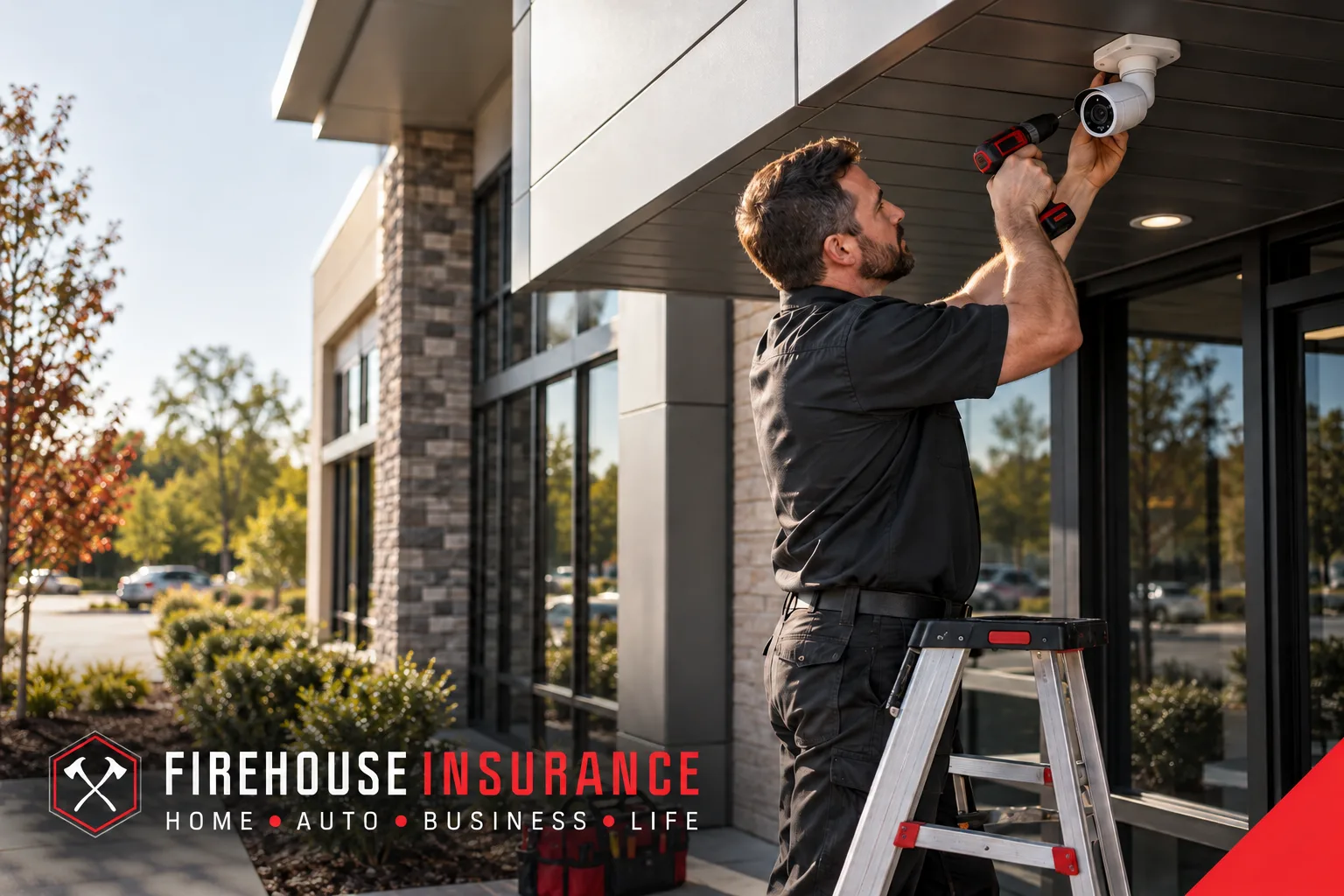
Alarm & Security System Installer Insurance: What It Actually Costs
Kenneth Schaub
General liability for an alarm or security installation business typically runs $650 to $8,500 a year, depending on size. Here's what actually drives the price.