
Am I Covered for Frozen Pipes on My Home Insurance?
Kenneth Schaub, Owner & Licensed Insurance Advisor
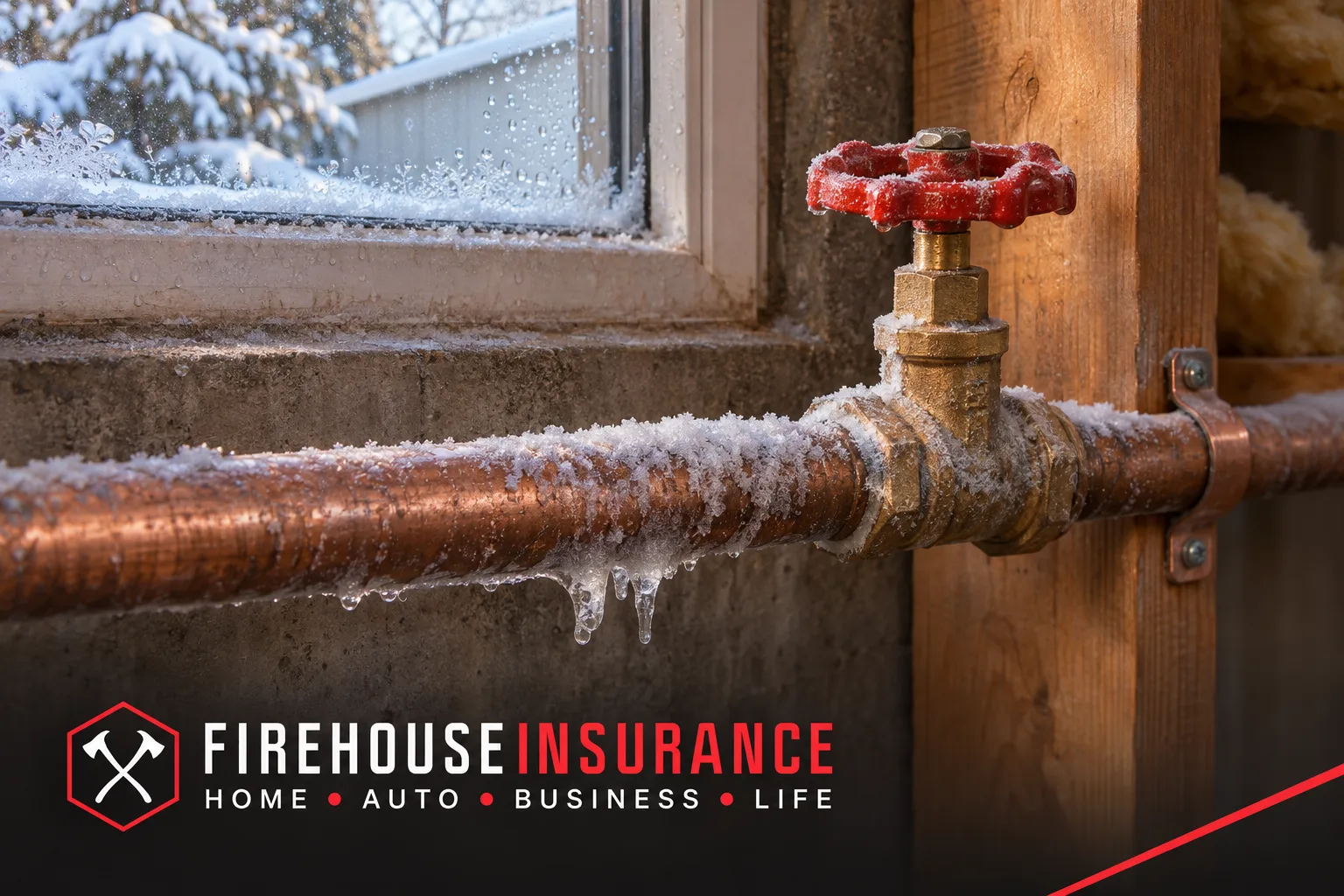
Homeowners insurance generally covers the water damage caused by a pipe that freezes and bursts, drywall, flooring, and belongings, but not the cost of repairing the frozen pipe itself, that's treated as a maintenance expense. Coverage can also be denied entirely if the home sat vacant and unheated beyond your policy's specific threshold, commonly 30 to 60 days, at the time of the freeze.
Does My Policy Actually Cover a Burst Pipe?
Yes, for the resulting water damage, assuming you took what your insurer considers reasonable precautions to prevent the freeze in the first place. The broken pipe segment itself is generally treated the same way a worn roof or failing water heater is, ordinary maintenance, not an insured loss.
What Counts as "Reasonable Precautions"?
Most policies expect you to maintain heat in the home, a commonly cited benchmark is keeping the interior at 55°F or higher, and for a vacant property, to have either shut off and drained the water supply or had the system professionally winterized. A claim denied after a home sat empty for 61 days, one day past a 60-day threshold, is a real, cited example of how strictly this line gets enforced.
How Much Does a Typical Frozen Pipe Claim Cost?
Figures vary meaningfully by source and year, cited ranges run from roughly $11,000 to over $30,000 per claim, reflecting both the severity of water damage once a pipe bursts, often behind walls or under floors before it's noticed, and rising repair and material costs. Frozen pipes are also cited as a factor in up to 29% of all property insurance claims during peak freeze periods.
Table: Covered vs. Not Covered in a Frozen Pipe Loss
| Typically covered? | |
|---|---|
| Water damage to drywall, flooring, belongings | Yes |
| Cost to repair the burst pipe segment | No (maintenance) |
| Loss if home was heated and occupied | Yes |
| Loss if home was vacant past your policy's threshold | Often denied |
| Loss if water wasn't shut off before a known cold snap | Can be denied |
What Should I Actually Do If I'm Leaving My Home Vacant in Winter?
Confirm your policy's exact vacancy threshold, don't assume it's 30 or 60 days, check your declarations, and either maintain heat and have someone check on the property, or have the plumbing professionally winterized and the main water shut off, in writing, before you leave.
Questions about your own policy's vacancy terms? Get a quote or explore Firehouse's home insurance coverage.
Frequently asked questions
Does homeowners insurance cover a pipe that bursts from freezing?
Yes, generally, for the resulting water damage, assuming reasonable precautions were taken to prevent the freeze. The cost of repairing the pipe itself is typically treated as a maintenance expense, not an insured loss.
Will my claim be denied if my house was empty when the pipe froze?
It can be, many policies set a vacancy threshold, commonly 30 to 60 days, past which freeze-related claims are denied unless the home was properly winterized and the water shut off, check your specific policy's language.
How much does a typical frozen pipe claim cost?
Cited figures vary widely by source and year, roughly $11,000 to over $30,000 per claim, reflecting how much damage can accumulate before a hidden leak behind a wall or under a floor is discovered.
What temperature should I keep my home at to avoid a frozen pipe claim denial?
A commonly cited benchmark is maintaining at least 55°F indoors, confirm your specific insurer's expectation since policy language varies.
Does my policy cover the pipe itself, or just the water damage it causes?
Just the resulting water damage in most cases, the broken pipe segment is generally considered a maintenance item, similar to how a worn roof or failing water heater is typically treated.
Ready to see your real rate?
Get My Quote