
Tree Trimming & Tree Service Insurance: What It Actually Costs and Covers
Kenneth Schaub, Owner & Licensed Insurance Advisor
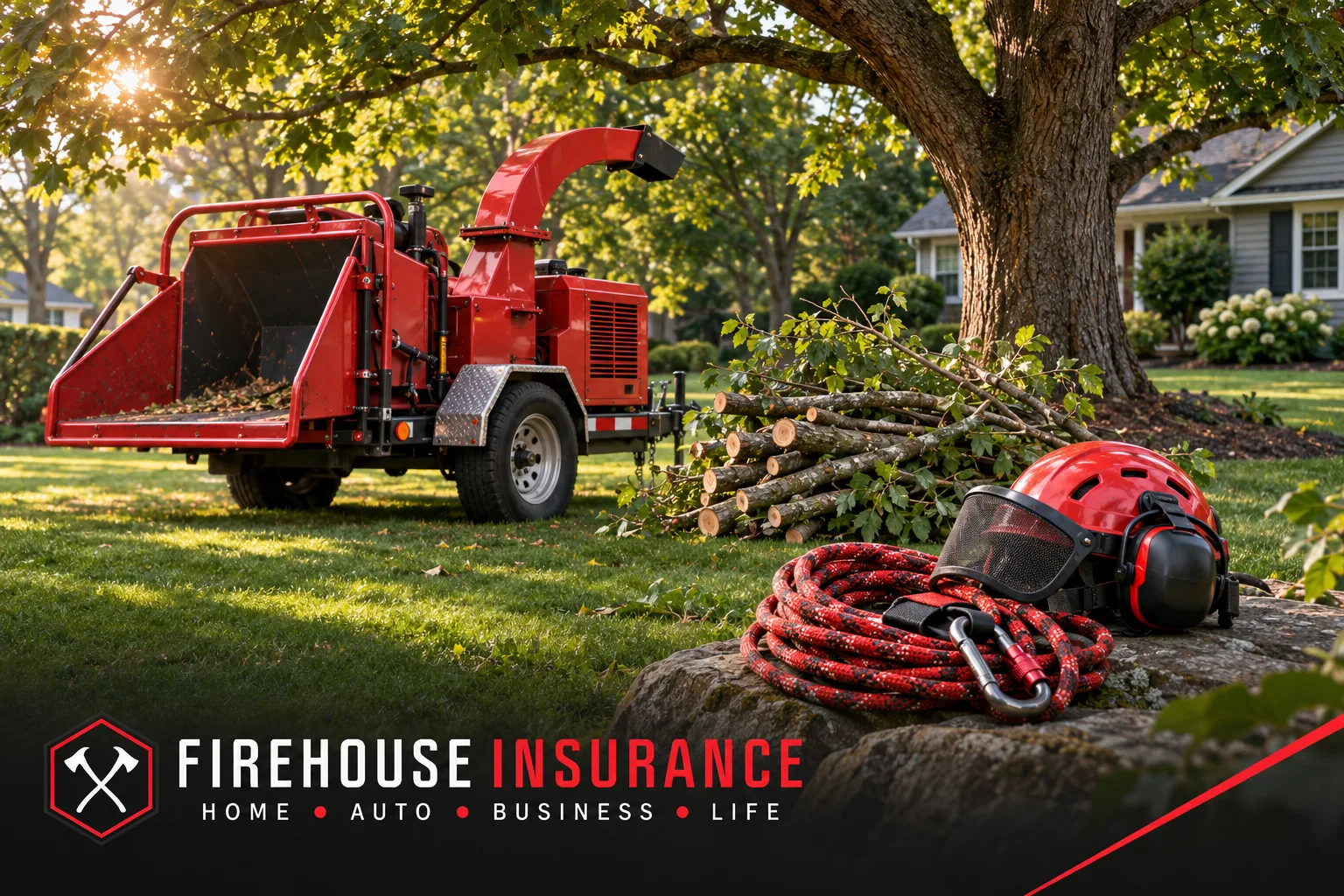
General liability insurance for a tree trimming or tree service business typically costs $1,600 to $2,900 a year for $1 million/$2 million limits, though solo operators with lighter equipment can pay as little as $700 to $1,400. The spread comes down to one thing: height. A tree crew working 60 feet up with a chainsaw and a chipper carries a different risk profile than almost any other trade.
Why Is Tree Service Insurance So Expensive?
Tree work combines three of the riskiest exposures an insurer underwrites at once: working at height, operating a chainsaw near other people, and dropping heavy, unpredictable loads near structures, vehicles, and power lines. A single mis-judged cut that drops a limb through a neighbor's roof, or a climber fall, can produce a claim well into six figures.
What Does General Liability Actually Cover?
A standard tree service general liability policy pays for:
- Property damage if a felled tree or limb lands on a roof, fence, car, or power line
- Bodily injury to a third party, a passerby or homeowner, hit by debris
- Legal defense costs if you're sued, even if the claim is later found meritless
It does not cover your own crew's injuries (that's workers' comp) or damage to your own equipment (that needs tools & equipment coverage).
Do I Need Workers' Comp as a Solo Tree Trimmer?
Many states don't require it for an owner with no employees, but tree work carries one of the highest-severity workers' comp class codes of any trade. A single fall from height without coverage can be financially catastrophic, which is why most solo operators carry it voluntarily even where it's optional.
Why Do Property Managers and Municipalities Ask to Be Listed as Additional Insured?
They routinely require tree contractors to name them as an additional insured and provide a certificate of insurance before work starts, exactly like every other contractor trade. It doesn't cost extra to add, but your policy has to support the endorsement.
Table: What Each Policy Actually Pays For
| Coverage | What it pays for | Typical annual cost |
|---|---|---|
| General liability | Property damage, bodily injury to others, legal defense | $1,600–$2,900 |
| Workers' comp | Your own employees' injuries | Varies by payroll/state |
| Tools & equipment (inland marine) | Stolen/damaged chainsaws, chippers, climbing gear | $200–$600 |
| Commercial auto | Trucks, chip trucks, trailers | Varies by fleet |
How Much Does Location Affect the Price?
Significantly. Reported general liability rates run around $144/month in West Virginia versus $419/month in California, insurers price heavily for local litigation climate and claim frequency, not just the work itself.
Ready to get your tree service covered the right way? Get a quote or see how Firehouse structures coverage for commercial contractors.
Frequently asked questions
Do I need workers' comp if I'm a solo tree trimmer with no employees?
In most states it's not legally required for an owner with no employees, but tree work carries one of the highest-severity risks of any trade, climbers who fall without coverage can face catastrophic personal costs, so many solo operators carry it voluntarily.
Does my general liability policy cover damage if a tree falls on a customer's house during removal?
Yes, that's exactly the kind of property damage general liability is built for, assuming the job itself wasn't performed with gross negligence or outside your policy's scope.
Why do municipalities and property managers ask to be listed as "additional insured"?
It extends your liability coverage to protect them if they're named in a lawsuit stemming from your work, standard practice across nearly every contractor trade, not unique to tree service.
Does general liability cover my chainsaws and chipper if they're stolen from the job site?
No, that requires separate tools & equipment (inland marine) coverage, general liability only covers damage and injury to third parties, not your own gear.
Why is tree service insurance more expensive in some states than others?
Insurers price heavily for local claim frequency and litigation climate, not just the work performed, rates in high-litigation states can run two to three times higher than lower-risk states for the same coverage.
Ready to see your real rate?
Get My Quote