
Vacant Building Insurance Cost in Ohio
Kenneth Schaub, Owner & Licensed Insurance Advisor
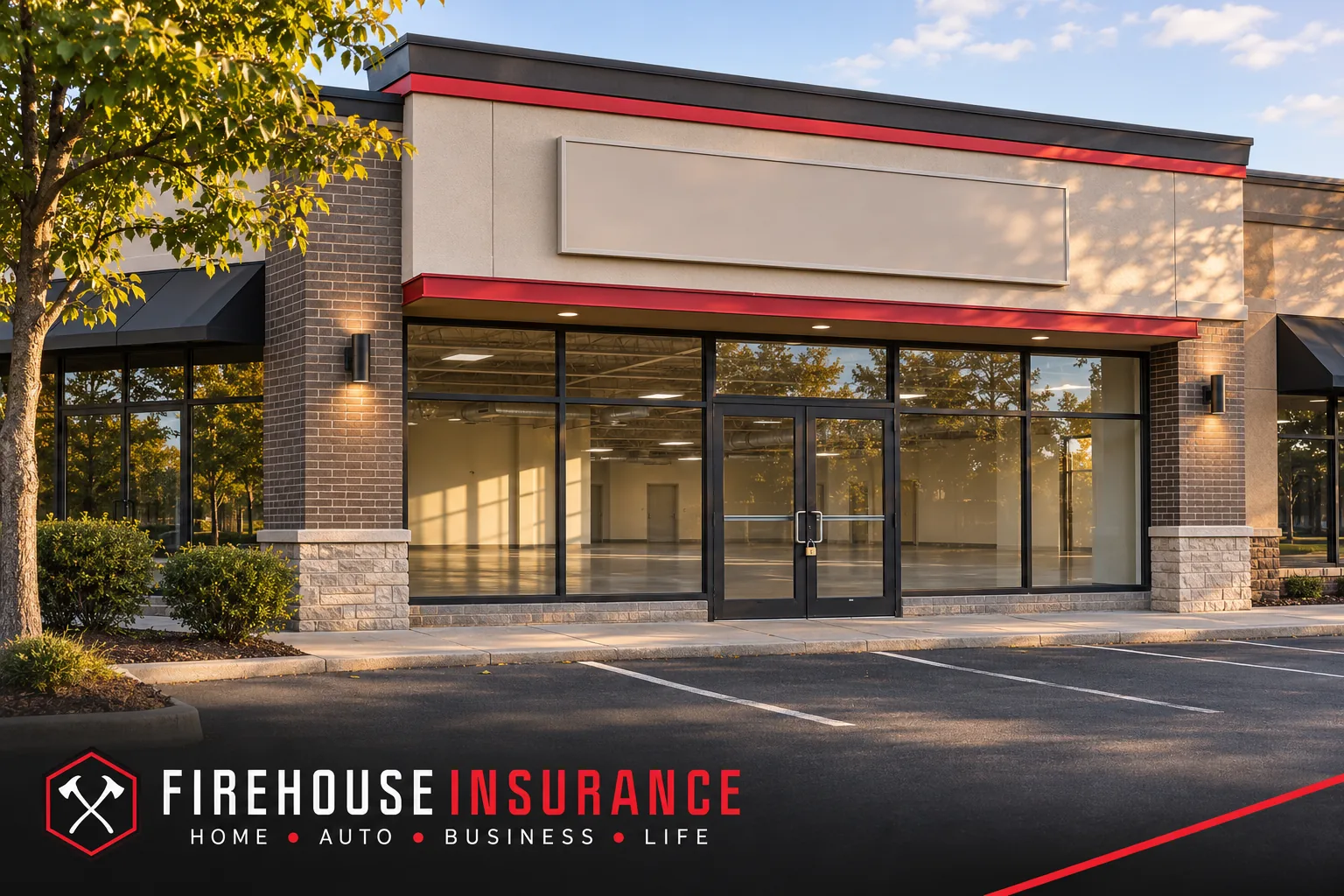
Most commercial property policies include a provision that catches landlords and building owners off guard more than almost any other coverage detail: once a building sits vacant for 60 consecutive days, coverage for several common perils is restricted or excluded outright, exactly during the period when an empty building is often at its most vulnerable.
What "Vacant" Actually Means Under a Standard Policy
This isn't simply about whether someone happens to be inside at a given moment. The standard ISO test is generally framed around occupied square footage: a building is typically considered vacant unless at least 31% of its total square footage is actively occupied with operations consistent with the building's intended use.
The 60-Day Threshold, and What It Actually Does
Once a building has been vacant for 60 consecutive days before a loss occurs, the standard ISO vacancy provision kicks in two ways:
| Effect | Detail |
|---|---|
| Certain perils excluded | Vandalism, sprinkler leakage, glass breakage, theft, water damage |
| Other losses reduced | Commonly cited around a 15% reduction in claim payment |
Fire and wind-type losses often remain covered, it's specifically the perils most associated with an empty, unmonitored building, vandalism and theft chief among them, that get cut.
Where This Actually Bites Owners
Two real, common situations trigger this far more often than owners expect:
- Between tenants — a commercial space sitting empty during a leasing gap.
- Active renovation or construction — a building genuinely unoccupied while work is underway, often for longer than 60 days.
In both cases, an owner who assumes their existing policy will simply respond the same way it always has can find out otherwise only after a loss, which is the worst possible time to learn about a vacancy clause.
The Fix: A Vacancy Permit Endorsement, or a Specialty Policy
If you know in advance a property will sit vacant, a Vacancy Permit endorsement can suspend those standard exclusions and the claim-payment reduction. For longer vacancies or a genuine renovation project, a dedicated vacant-building policy from a carrier that specializes in exactly this situation is often a better fit than stretching a standard occupied-building policy to cover something it wasn't built for.
Residential Policies Use a Similar, Sometimes Shorter Window
Homeowners and residential landlord policies often apply a similar vacancy concept with a commonly cited 30 to 60 day window, generally keeping fire and wind covered while excluding vandalism, glass breakage, water damage, and theft once that threshold passes.
If you own a commercial building that's between tenants or mid-renovation, get a quote that addresses vacancy directly rather than assuming your existing policy still responds the same way. If the building is actively rented, commercial rental property insurance covers that occupied-building picture.
Frequently asked questions
At what point does a commercial building become "vacant" under a standard policy?
Most commercial (ISO) policies define vacancy around occupancy by square footage, generally, a building is considered vacant unless at least 31% of its total square footage is actively occupied with operations consistent with the building's intended use. It's not simply about whether anyone is physically present at a given moment.
What happens to coverage once a building has been vacant for 60 days?
Under the standard ISO vacancy provision, once a building has sat vacant for 60 consecutive days before a loss, coverage for certain perils, commonly vandalism, sprinkler leakage, glass breakage, theft, and water damage, is excluded outright, and payouts for other, non-excluded causes of loss are often reduced, commonly cited around 15%.
Is there a way to maintain full coverage on a building I know will sit vacant for a while?
Yes, a Vacancy Permit endorsement can be added to suspend those standard vacancy exclusions and the reduction in claim payment. For longer vacancies or active renovation projects, a specialty vacant-building policy from a carrier that focuses on this situation is often the better fit than trying to stretch a standard occupied-building policy.
Does a residential landlord policy use the same 60-day threshold?
Not necessarily, homeowners and landlord-style residential policies often use a shorter vacancy window, commonly cited in the 30 to 60 day range, with fire and wind typically remaining covered while vandalism, glass breakage, water damage, and theft are the typical exclusions once that threshold is crossed.
When does this issue most commonly catch property owners off guard?
Between tenants, when a commercial space sits empty during a leasing gap, and during active renovation or construction, are the two most common real-world situations where an owner discovers the vacancy clause the hard way, right when something unexpected happens and they assume their standard policy will simply respond.
Ready to see your real rate?
Get My Quote